

 Facebook
 X
 Pinterest
 Copy Link
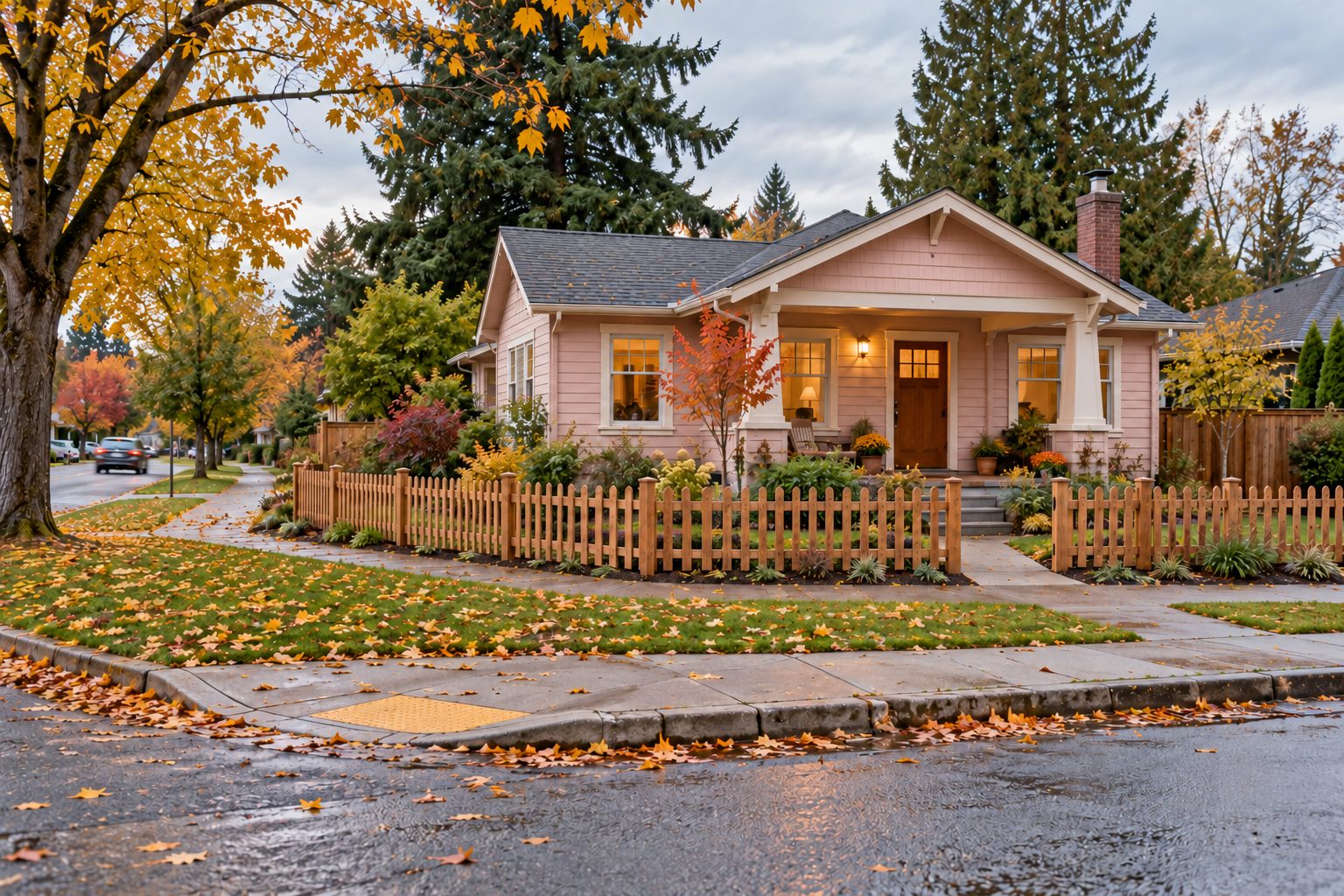
You cleaned the house. You took the pictures. You became the person who apparently owns a kitchen but never cooks in it… and after all that… your house didn’t sell.
That’s discouraging, especially when you already had plans for what came next. Maybe you wanted more space, less upkeep, or to move closer to someone you love. Instead, you’re wondering whether you should lower the price, make improvements, or put the whole thing on hold.
Before you spend another dollar, I’d want to understand what happened.
Where did buyers lose interest?
If there were very few showings, we should look at how the home appeared online, its price compared with competing properties, and how easily buyers could schedule a visit. Were the photos clear? Did the description explain what made the property worth seeing?
If people toured but didn’t make offers, their feedback becomes useful. One person disliking your kitchen cabinets is an opinion. Several people mentioning the same concern gives us something to investigate.
If you received offers but a sale didn’t come together, we need to look at what stopped it. An inspection issue calls for a different response than a buyer’s financing falling through.
I don’t want you replacing a kitchen because a loan didn’t get approved. That is an expensive misunderstanding.
Sometimes an improvement can address the hesitation.
Imagine a house on a busy street corner. Buyers like the interior, but they keep saying the yard feels exposed. They’re having trouble picturing themselves enjoying the outdoor space.
Depending on the property and local requirements, a thoughtfully placed fence could help define a usable yard and create separation from the sidewalk or street. Where allowed, screening around a sitting area might offer more privacy. It won’t move the street. And an ordinary fence also shouldn’t be presented as a fix for traffic noise, but it may address a specific concern about how the yard functions.
In Eugene, fences must meet local height, setback, and corner visibility requirements, even when a permit isn’t required. A tall privacy fence may not be allowed where you first pictured it. Check property boundaries, applicable restrictions, and the rules for your exact location before hiring someone.
Eugene’s fence guidance is here:
https://www.eugene-or.gov/DocumentCenter/View/14252/Fences–and-Accessory-Structures
The project should match the problem.
Other possibilities might include improving lighting in a dim room, repairing damaged flooring, or addressing a documented maintenance issue that repeatedly worries buyers.
Sometimes arranging furniture differently helps people understand an awkward space. Sometimes the issue needs a qualified contractor, especially when moisture, electrical systems, or structural concerns are involved.
After 19 years in property management, I’ve personally witnessed what an improvement can actually accomplish. Does it make the property work better? Address a concern? Help buyers understand the space? And what will it cost you in money and time?
Before recommending a project, I’d want an estimate and a realistic conversation about the alternatives. We might compare completing the work with adjusting the price or offering a credit, where the buyer’s loan allows it.
You can explore the National Association of REALTORS® Remodeling Impact research here:
https://www.nar.realtor/research-and-statistics/research-reports/remodeling-impact
This week’s stepping stone: identify the strongest evidence for why the home didn’t sell, then choose a response.
That might mean a targeted improvement, better photos, easier showing access, or a price that reflects the home’s condition and location. It could also mean pausing while you decide what you want next.
If we make changes, the next listing should show them clearly. Buyers shouldn’t have to study the old photos and guess what’s different.
Have a house that didn’t find its buyer? Bring the showing feedback, any inspection information you have, and your questions. We can look at what’s worth changing before you spend your next three weekends in the home improvement store.
Thinking of you,
Krystal


